Electrochemical Surface Treatment Methods
Electrochemical surface treatment utilizes advanced electrolytic processes—including anodizing, electroplating, and electropolishing—to endow metal parts with exceptional corrosion and oxidation resistance as well as a superior surface finish; it also ensures uniform surface coverage, even on complex, precision CNC-machined components and sheet metal parts.
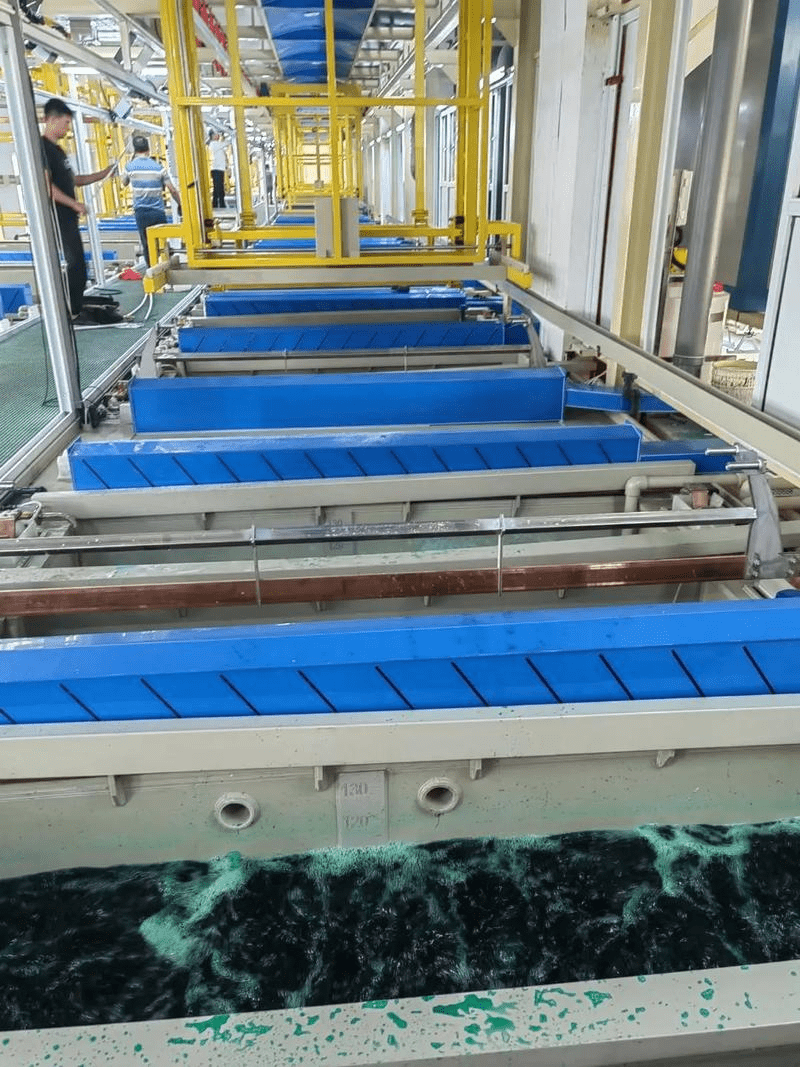
Electroplating
Electroplating is a process that utilizes the principles of electrolysis to deposit a thin layer of another metal or alloy onto the surface of a specific metal. This process serves a variety of functions—such as preventing the oxidation (i.e., rusting) of CNC-machined and sheet metal parts—while also enhancing their wear resistance, electrical conductivity, reflectivity, and corrosion resistance (particularly against substances like copper sulfate), all while simultaneously improving their aesthetic appeal.
Regular electroplating processes include zinc plating, nickel plating, chrome plating, copper plating, gold/silver plating, and tin plating,etc.
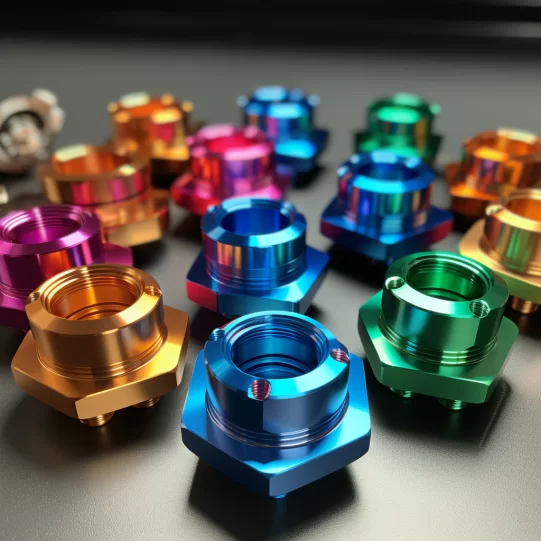
Custom color anodizing
Anodizing refers to an electrochemical oxidation process applied to metals or alloys: under specific processing conditions, when an electric current passes through a suitable electrolyte, an oxide film forms on the surface of the metal or alloy. This process serves to compensate for deficiencies in the surface properties—such as hardness and wear resistance—of CNC-machined aluminum alloy parts and sheet metal components, thereby expanding their scope of application and extending their service life. Furthermore, it offers a rich and diverse array of color options; for this very reason, this surface treatment technique has become an indispensable element in the field of applications for CNC-machined parts and sheet metal components. Among the multitude of surface treatment technologies available, anodizing undoubtedly stands as one of the most widely utilized and successful techniques.
Regular anodized aluminum alloy colors include: natural (uncolored), black, blue, red, green, purple, and various others; colors can be custom-mixed to meet specific requirements.
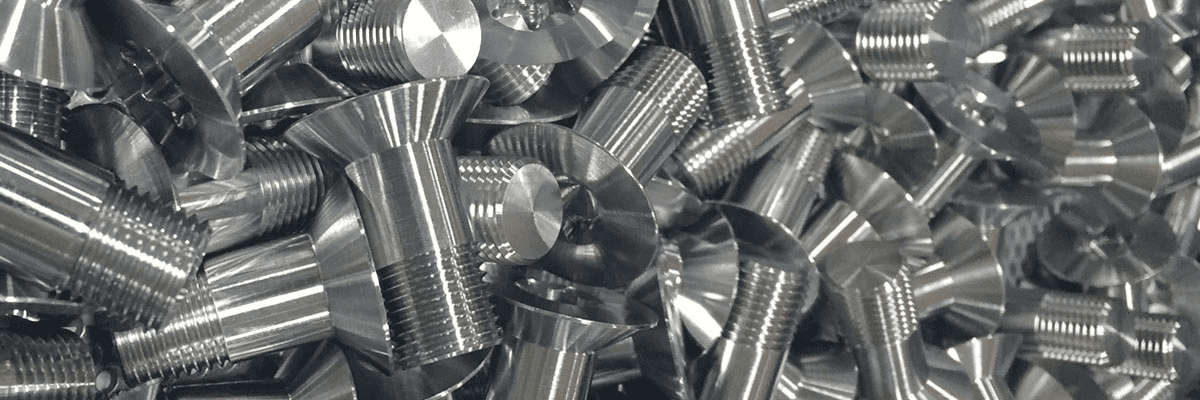
Electropolishing
This is a polishing technique that selectively removes surface irregularities through electrolysis, thereby enhancing surface finish; this process is also known as electropolishing. Electropolishing improves the corrosion resistance of CNC-machined stainless steel parts and sheet metal components, reduces electrical contact resistance, facilitates the preparation of metallographic specimens, enhances the reflectivity of lighting fixtures, increases the precision of various measuring instruments, and beautifies everyday metal products and handicrafts. This technique is suitable for the polishing of steel, aluminum, copper, nickel, and various alloy materials.
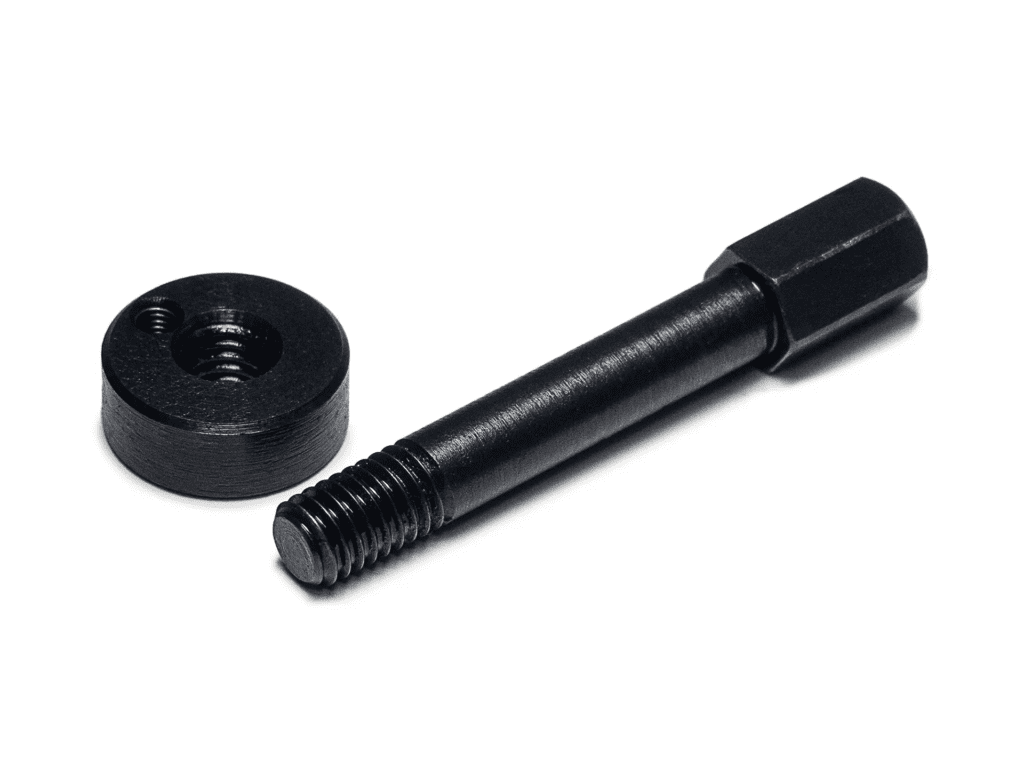
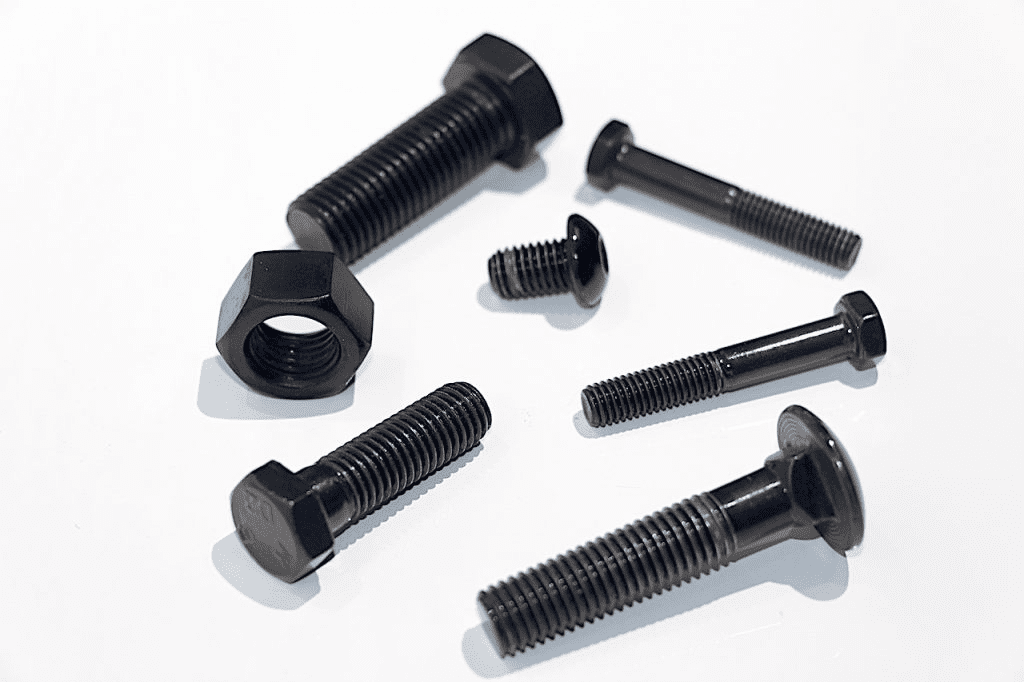
Black oxide :
Steel is heated and subsequently treated with chemical agents to form a black oxide film. Its primary function is rust prevention; it has minimal impact on the dimensions of the workpiece and is frequently applied to high-precision components and standard parts. Visually, it typically presents as a deep black finish.
Phosphating
Phosphating is a widely utilized pretreatment process for the chemical conversion of metal surfaces, in which an insoluble crystalline phosphate film (phosphating film) is formed on the metal surface through chemical reactions.
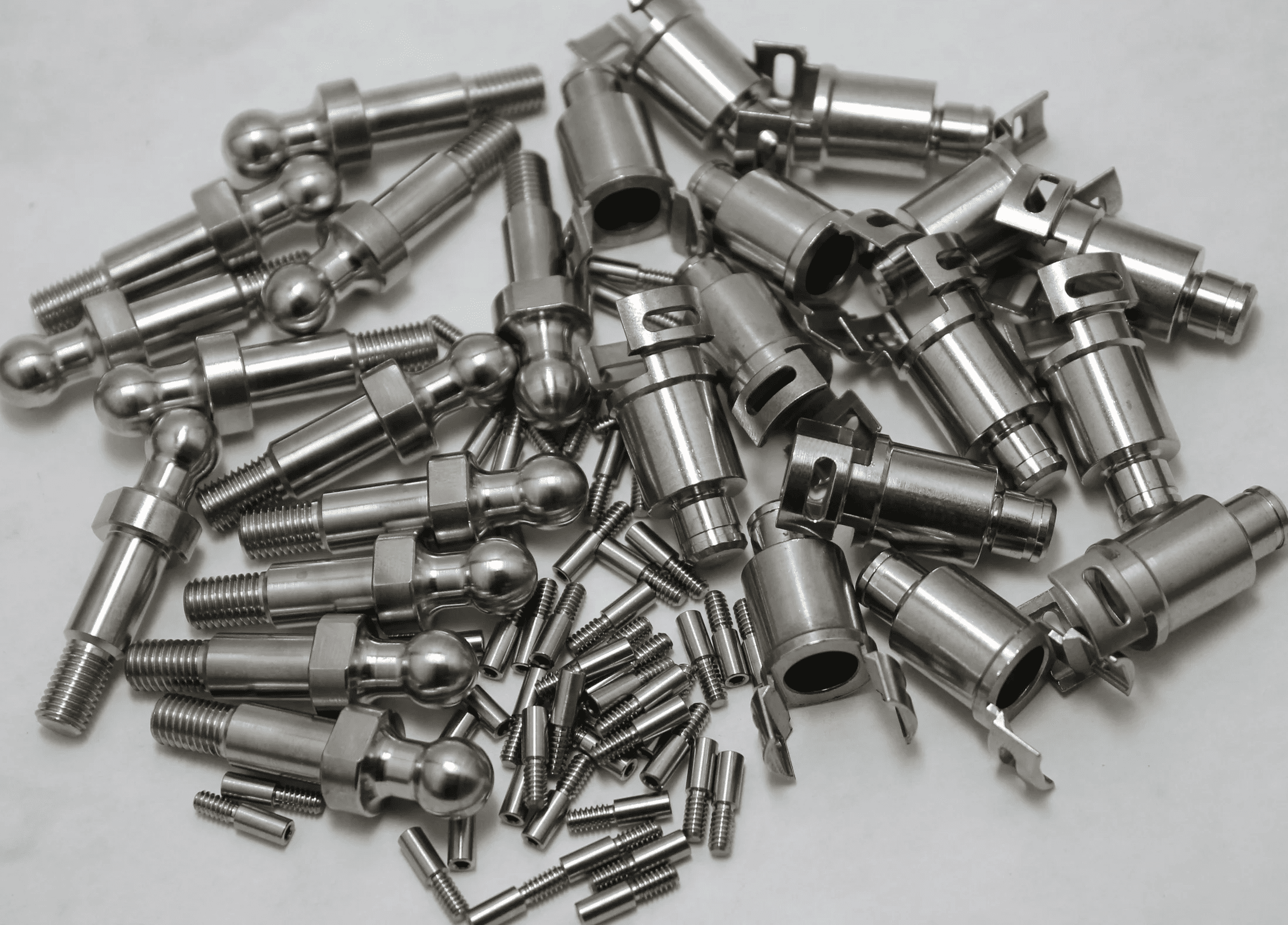
Passivation
Passivation refers to the process of significantly reducing the corrosion rate of a metal by forming a thin oxide layer on its surface through chemical or electrochemical methods. This technique is widely applied in fields such as metallurgy, chemistry, electric power, electrical engineering, petroleum, aerospace, and shipbuilding.
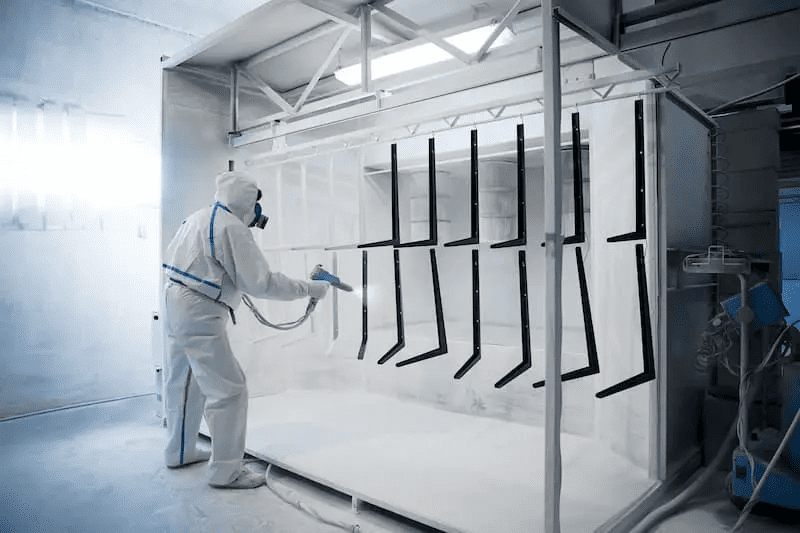
Powder Coating
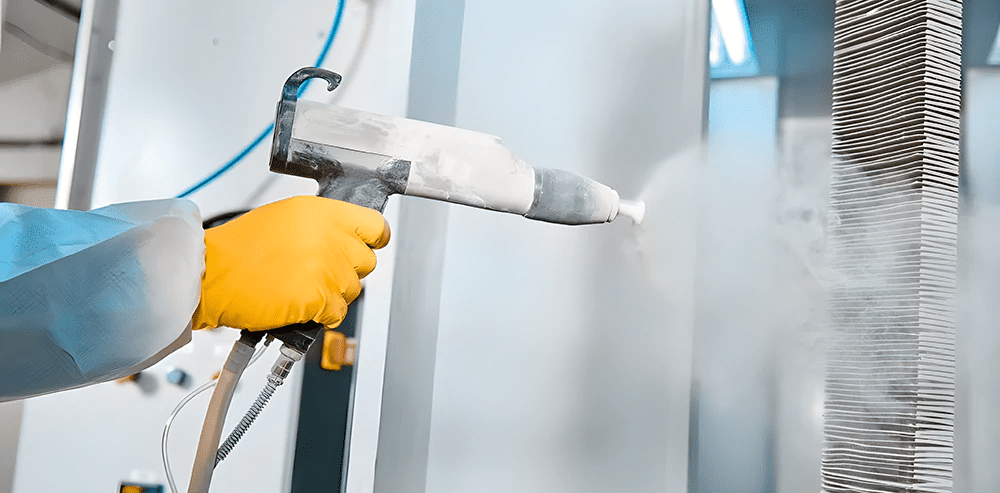
Powder coating is a surface treatment technique involving the electrostatic application of powder paint onto the surfaces of sheet metal or CNC-machined parts, followed by a curing process to form a protective coating. This surface treatment endows CNC machining and sheet metal components with exceptional resistance to impact, abrasion, scratching, and corrosion; moreover, this technology offers a combination of both environmental friendliness and practical utility.
Painting
Wet spraying is a highly versatile surface treatment technique offering great flexibility in color customization and surface texturing. Through color blending and customization, it can impart gloss, metallic finishes, or pearlescent effects to CNC-machined and sheet metal parts. The process allows for extremely thin coating layers while also enabling the application of thicker, specialized protective coatings through multiple passes, making it an ideal solution for precision CNC-machined and sheet metal components that demand high coating precision and aesthetic appeal.
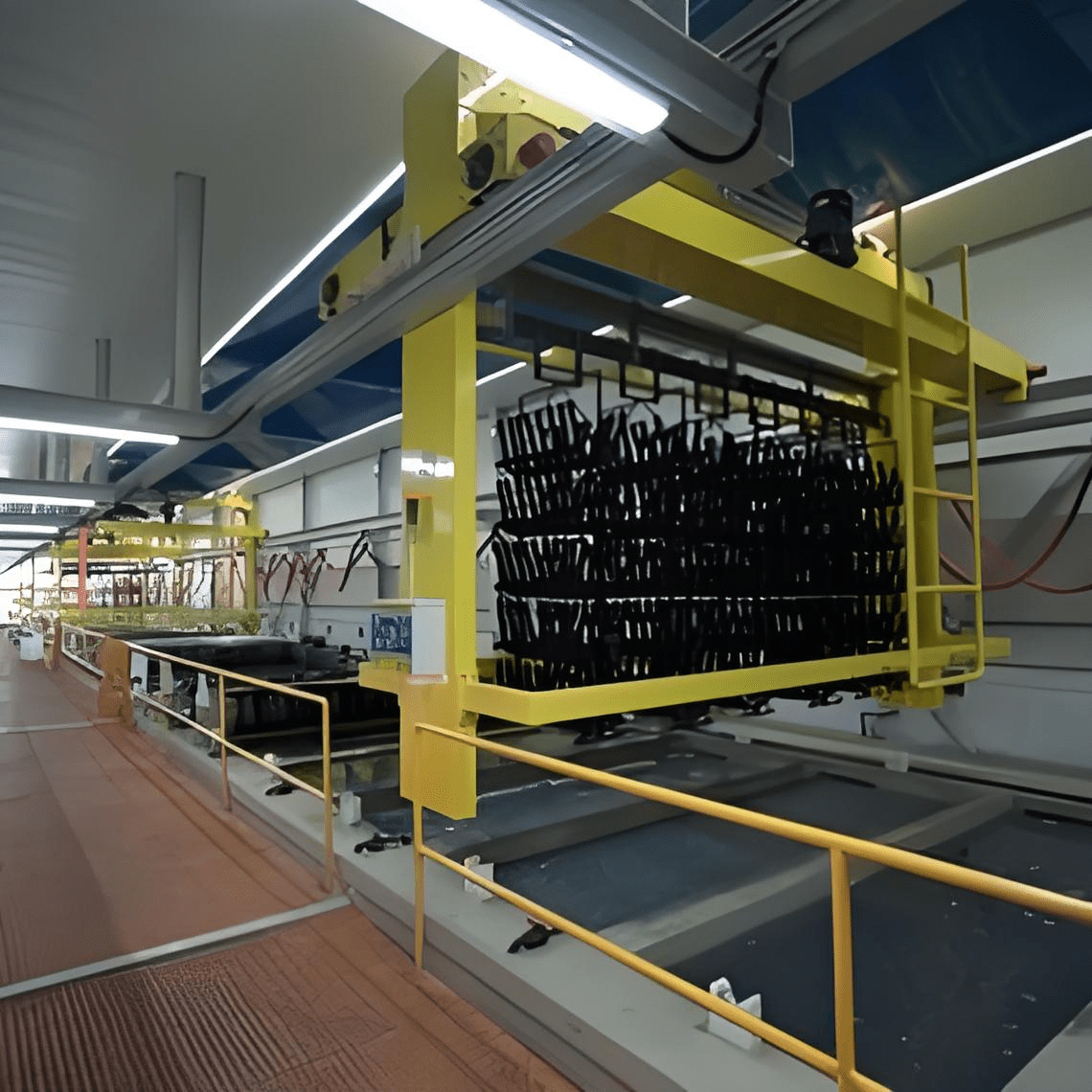
Electrophoretic Coating
Electrophoretic coating is a process developed based on physical principles. Under the influence of an electric field, charged resin particles within the coating material undergo directional migration and deposit onto the surface of the workpiece, uniformly covering every corner of the part. This forms a durable coating of uniform thickness, providing sheet metal components and precision CNC-machined parts with exceptional resistance to salt spray and corrosion. Furthermore, the resulting paint film is dense and possesses high hardness, thereby enhancing the metal parts’ resistance to physical impact and abrasion.