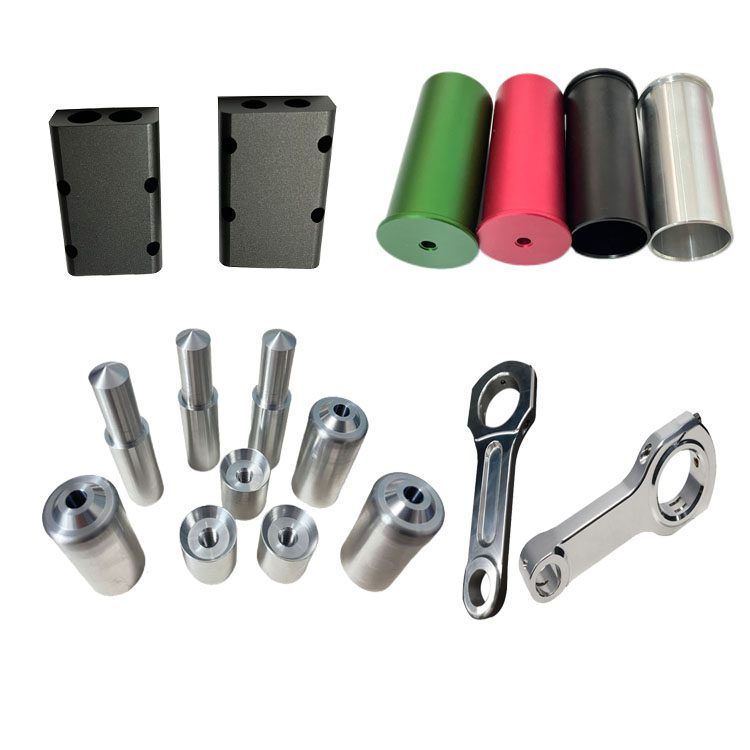
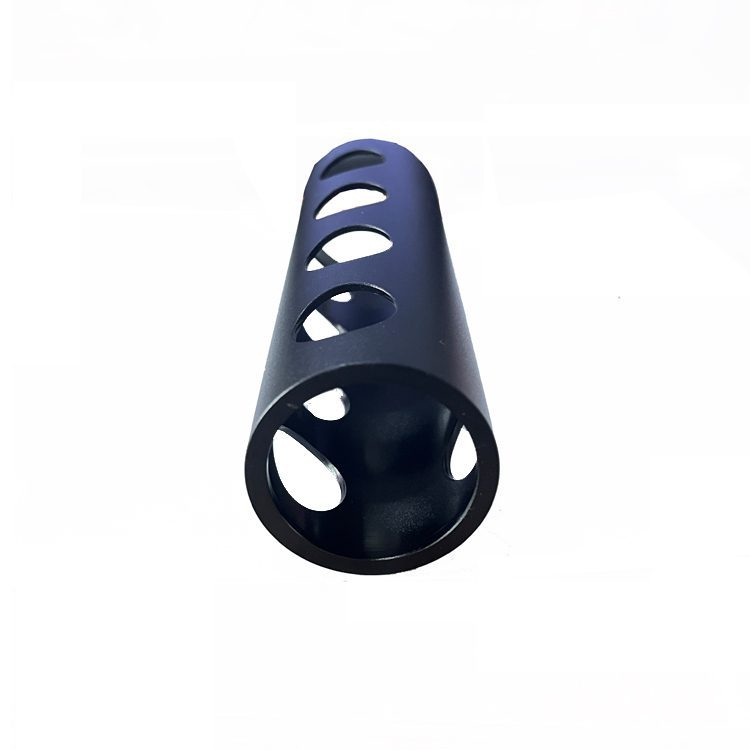
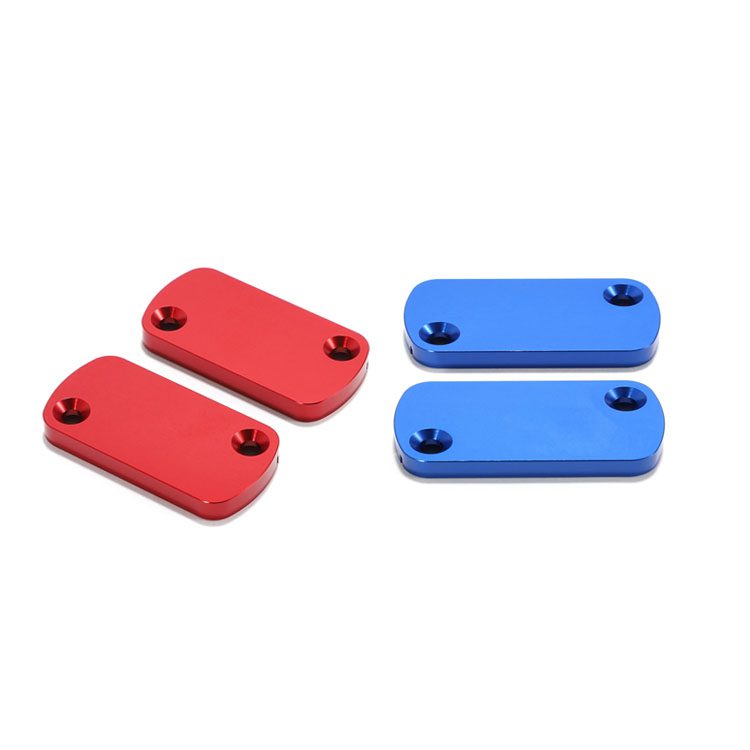
Professional CNC Manufacturing Aluminum Parts
We provide full-process communication and coordination with professional engineers,Customized parts design and analysis,And offer the most cost-effective CNC manufacturing solutions.
24h online quote
100% inspection before shipping
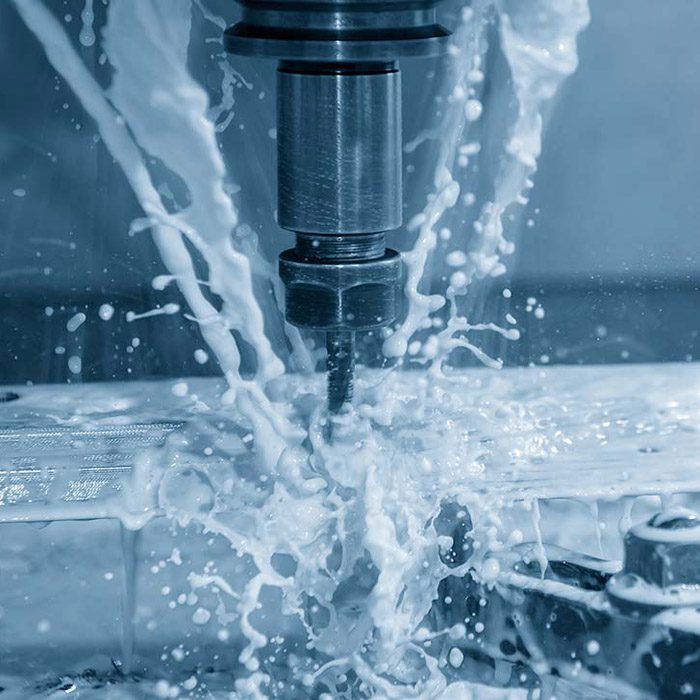
Custom CNC Machining Aluminum Parts Guidelines
| Material processing size range: | 254×178×95mm 300×300×150mm 20000×1500×2000mm |
| Inner rounded corners: | ≥R0.5mm,Minimum R0.2mm |
| Wall thickness: | 1.2~3mm,Local area 0.4~0.6mm |
| Surface roughness | Ra0.8~Ra3.2 |
| Minimum machinable diameter | ≥0.5mm |
| Max depth [mm] | 50 on each side,>200mm ,Through |
| Metric: M1.6~M60 |
| UNF: #4-40 UNF ~ #1-1/2-12 UNF |
| UNC: #2-56 UNC ~ #2-4.5 UNC |
| Custom Thread: make custom thread |
| Parts | Standard precision tolerances (general-purpose parts) | High precision tolerances (precision assembly) |
|---|---|---|
| Outer contour dimensions | ±0.05~±0.1mm | ±0.01~±0.02mm |
| Assembly positioning holes | ±0.03~±0.05mm | ±0.005~±0.01mm |
| flatness | 0.05~0.1mm/m | 0.01~0.02mm/m |
| Parallelism/Perpendicularity | 0.03~0.05mm/100mm | 0.01~0.02mm/100mm |
| Small hole diameter | ±0.02~±0.04mm | ±0.005~±0.01mm |
| Big hole diameter | ±0.05~±0.1mm | ±0.02~±0.03mm |
Custom Finishes Guidelines For Precision CNC Machining Aluminum Parts
There are many surface treatments available for CNC machining of aluminum alloy parts,The most common being anodizing and sandblasting,For information on choosing anodized colors,Please refer to the RAL color chart and the Pantone color chart.
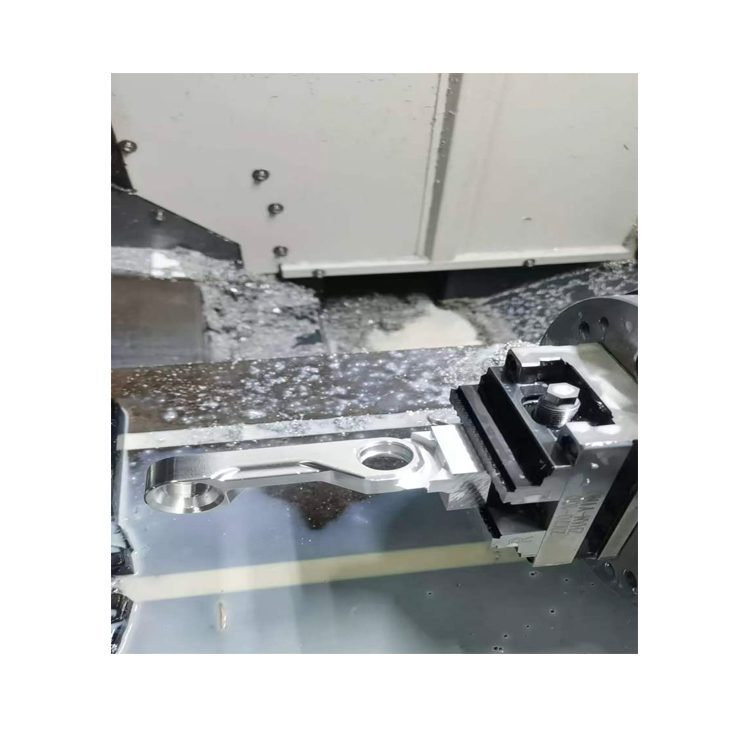
The initial surface of the part after CNC machine tool machining
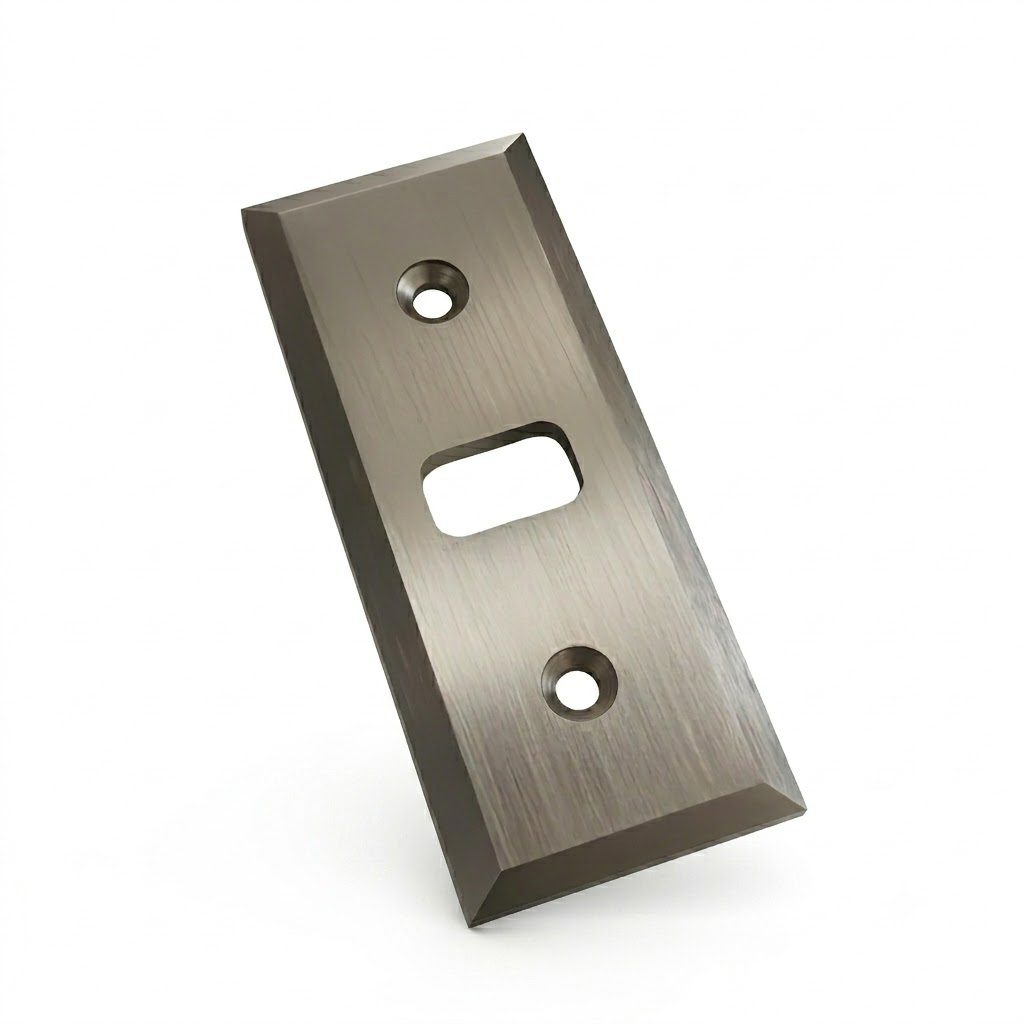
This treatment can conceal minor scratches and imperfections on the surface after CNC machining, giving the parts a matte finish with a delicate, silky texture.
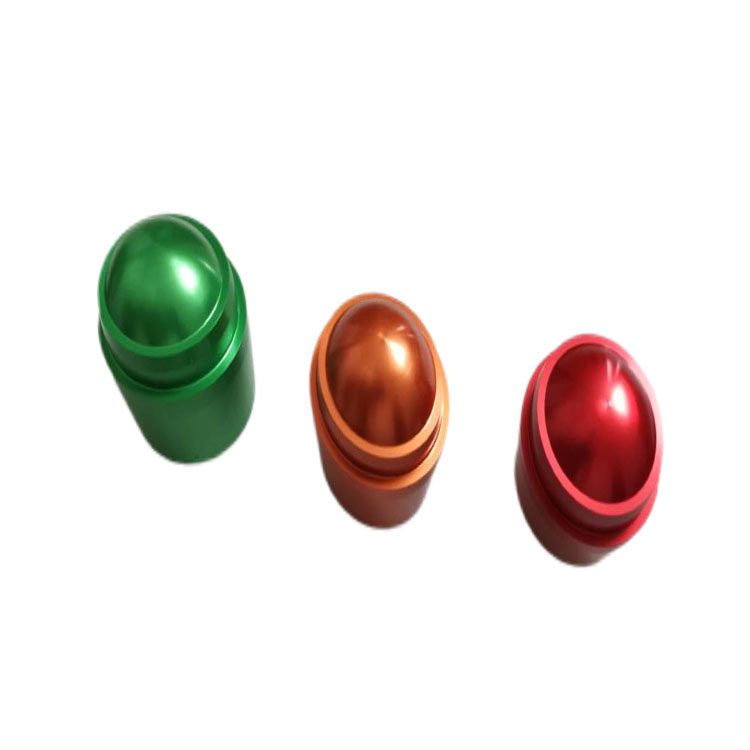
Anodizing not only covers CNC machining marks but also prevents surface oxidation, providing corrosion and wear resistance. It is also available in a variety of colors to meet different aesthetic requirements.
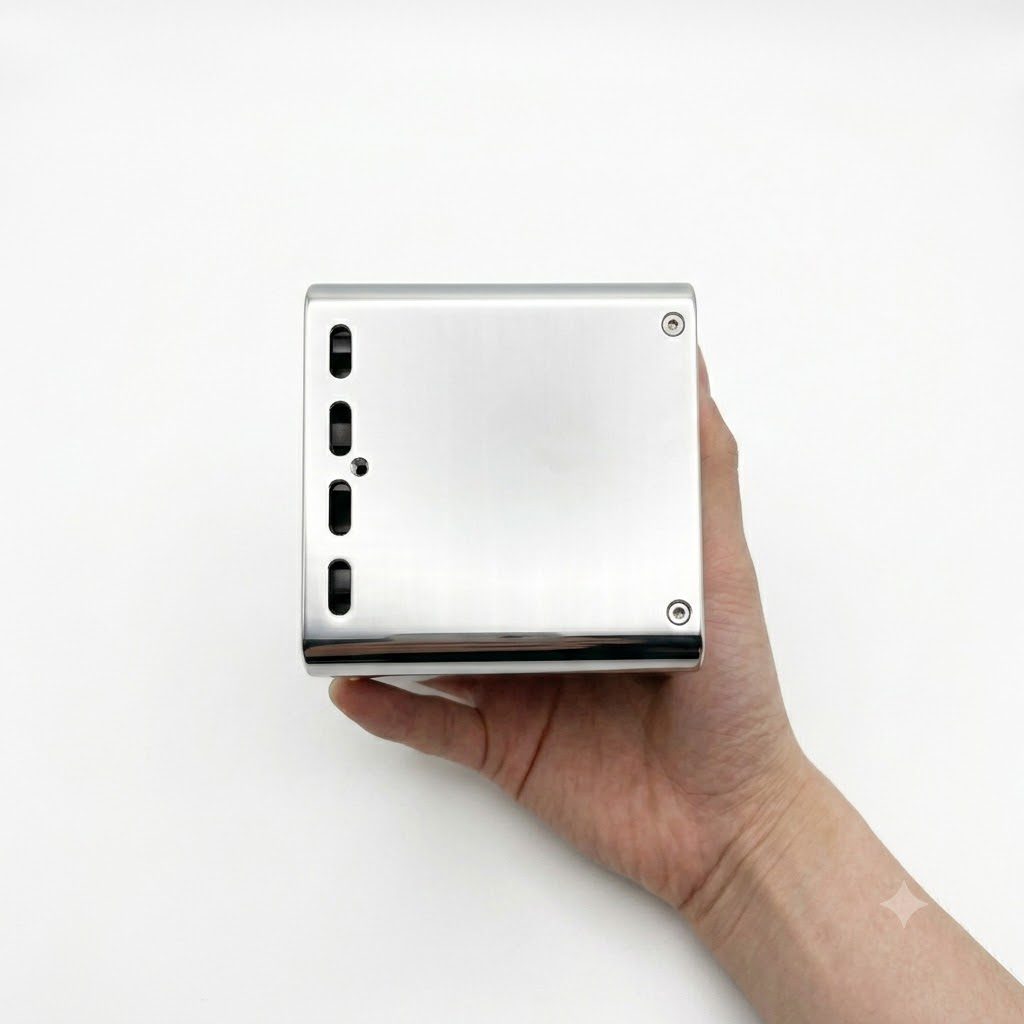
We use a polishing process to remove machining marks, making the surface of the parts smooth and refined.
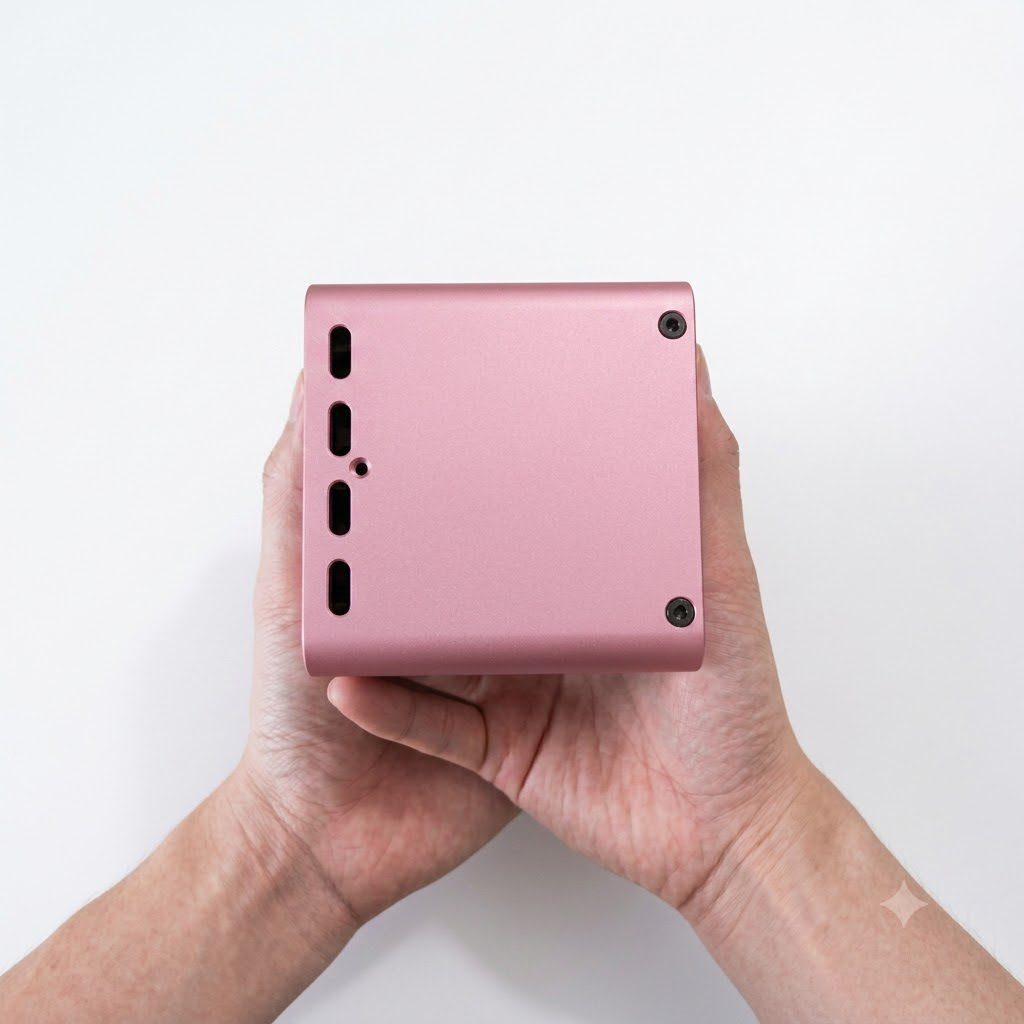
Powder coating can be customized with different colors, matte/gloss finishes, and various other textures. This surface treatment offers high wear resistance and acid resistance, while also concealing minor imperfections on CNC-machined surfaces.
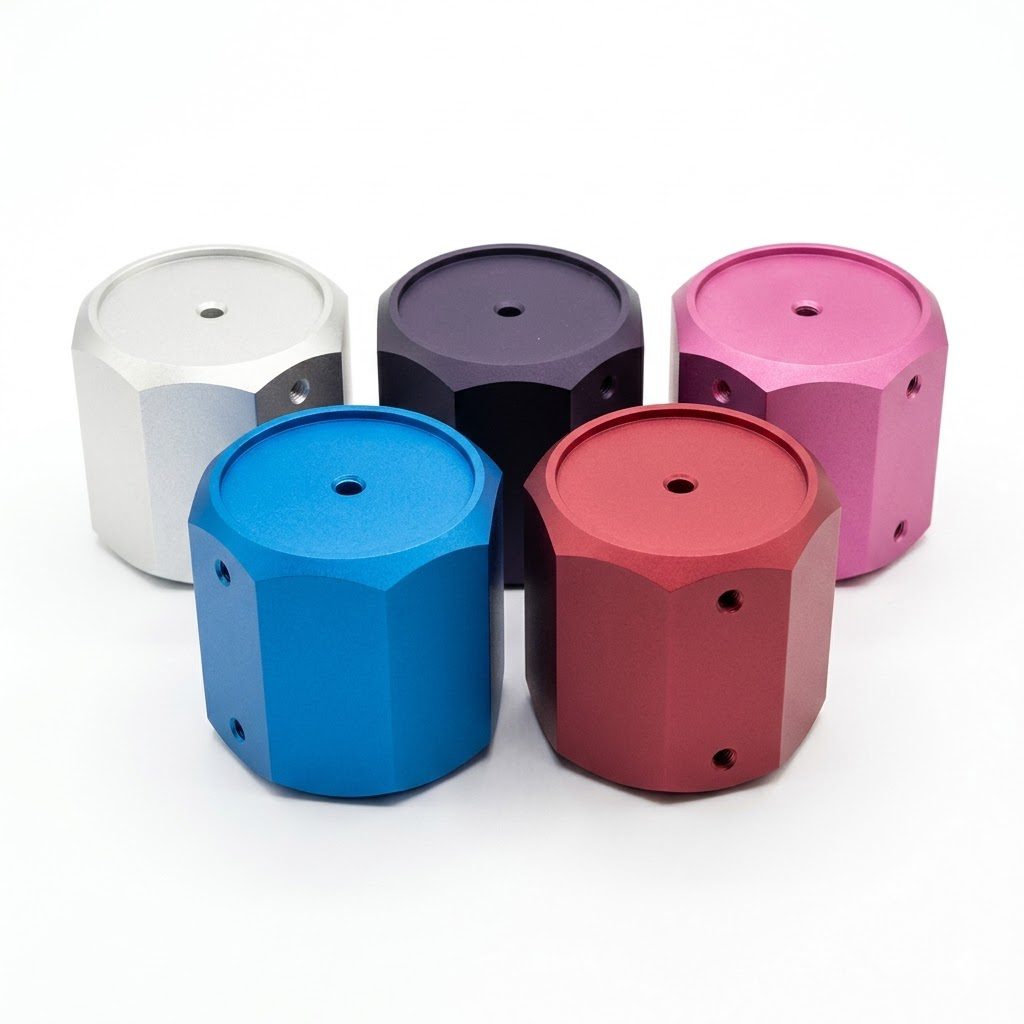
Sandblasting can better cover CNC tool marks, The surface is a matte finish, And it is available in a variety of colors. This surface treatment also enhanced corrosion and wear resistance.
Aluminum Materials Guidelines For Custom Precision CNC Machining Aluminum Parts
| Aluminum Material Types | Material properties | Advantages and disadvantages | Material Cost |
|---|---|---|---|
| AL 6061 -T6 | 6061-T6 has a tensile strength of up to 310 MPa and a hardness of 95 HB, with strength and impact resistance far exceeding those of 6063. | 6061 aluminum alloy is easy to machine, with stable machining accuracy;Mass production accuracy can be stably controlled within ±0.01mm. | The material is cost-effective. |
| Al 6063 | (0.45%-0.9%) and silicon (0.2%-0.6%). The tensile strength is ≥160MPa in the T5 state and can reach 205MPa in the T6 state. | 6063 aluminum alloy is also easy to machine,This material can be easily extruded into complex thin-walled irregular cross-sections during extrusion. | The material cost is cost-effective.(Lowest) |
| AL 7075 -T6 | 7075-T6 aluminum alloy has a tensile strength of 524 MPa, a 0.2% yield strength of 455 MPa, a hardness of 150 HB, an elastic modulus of 71 GPa, and a thermal conductivity of 124 W/(m·℃) at 25℃, | The CNC 7075 parts are relatively lightweight,The surface is easy to get oxidation, | The material cost is relatively high(Highest) |
| AL 5052 | This material has moderate strength, with a tensile strength of 170~305MPa. | Cannot be strengthened by heat treatment, It has good weldability,Its rust resistance is relatively good, and its resistance to seawater corrosion is stronger than that of 6061. | The material cost is cost-effective. |
| AL 2024-T4 | The material has a tensile strength of up to 420 MPa, a yield strength of 275 MPa, and a hardness of 120 HBW. | AL 2024-T4 aluminum alloy is also easy to machine,Its corrosion resistance is significantly weak. | The material cost is a little high |
Our Custom CNC Aluminum Parts Showcase