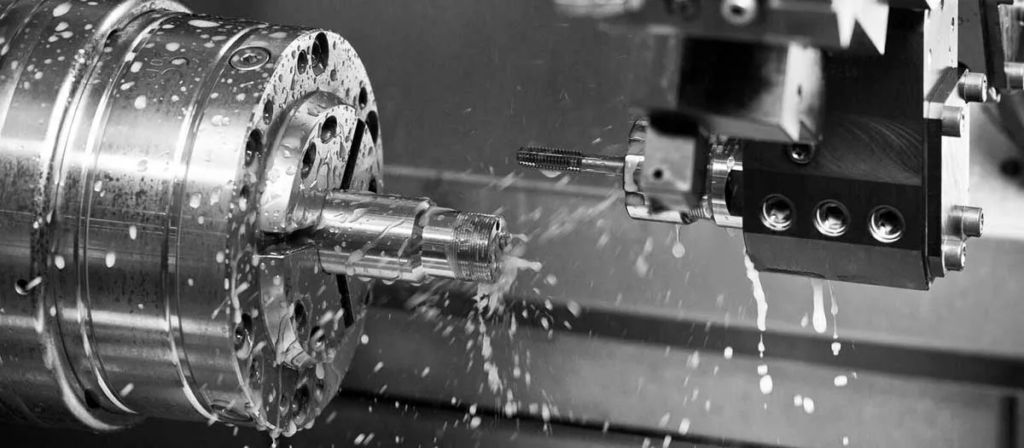
Custom Cnc Turning Service
CNC turning enables the production of cylindrical parts with high dimensional precision, and also allows for the manufacturing of products with complex shapes.
Learn more>
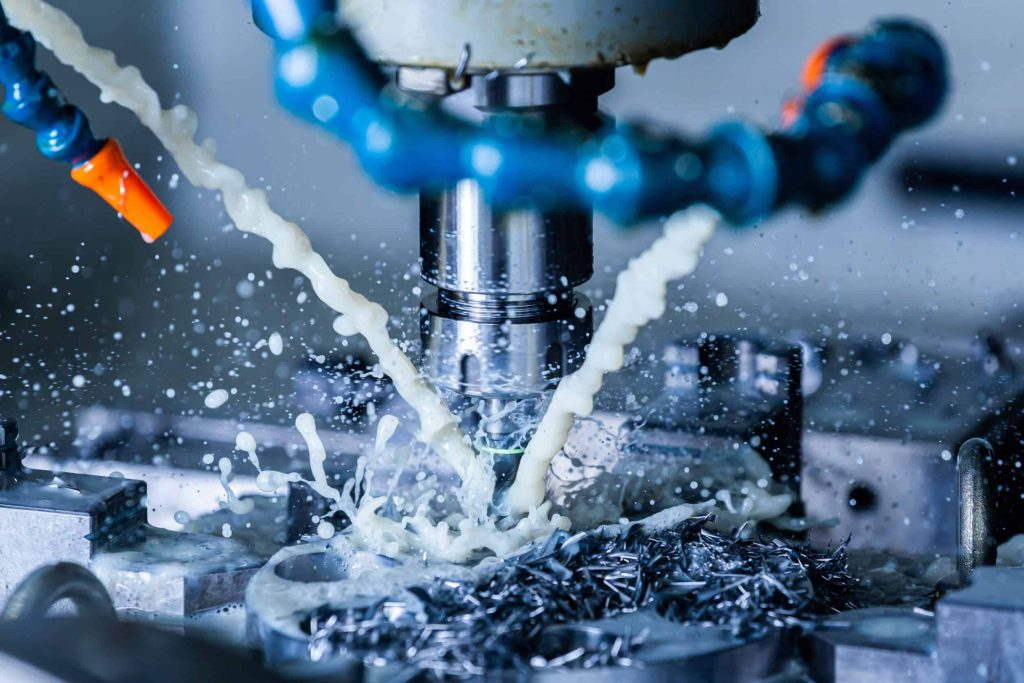
CNC Milling Service
It supports 3-axis to 5-axis simultaneous machining, enabling the processing of complex curves, 3D spatial surfaces, and cavities that are difficult to achieve with conventional machine tools.
Learn more>
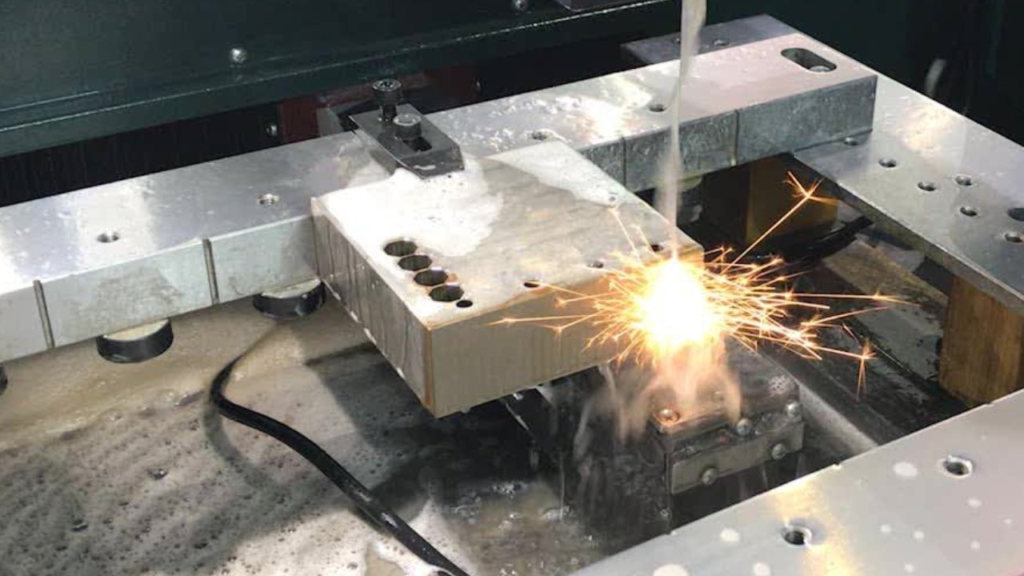
CNC Wire Cutting
Utilizing a fine metal wire as an electrode, this process cuts conductive materials through electrical spark discharge erosion; it is suitable for machining ultra-hard materials (such as quenched steel and cemented carbide) and precision molds, achieving an accuracy of up to ±0.002 mm.
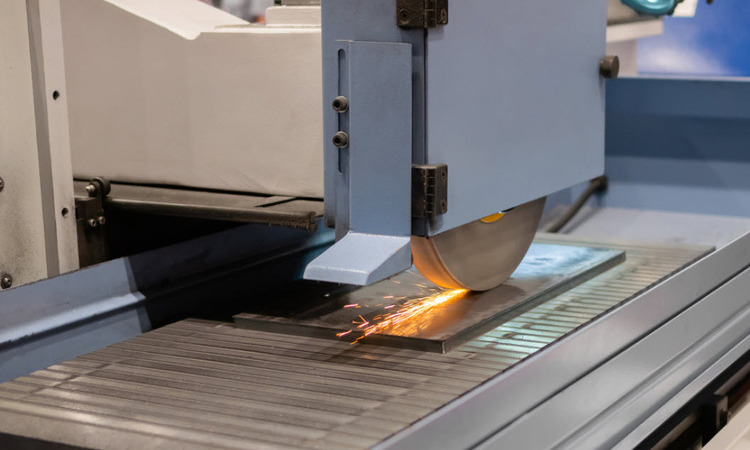
CNC Grinding
Used for high-precision surface treatment, such as precision grinding of flat surfaces, outer circles, and inner holes, widely used in scenarios such as bearings, gears, engine parts, etc. that require extremely high surface roughness and dimensional tolerances
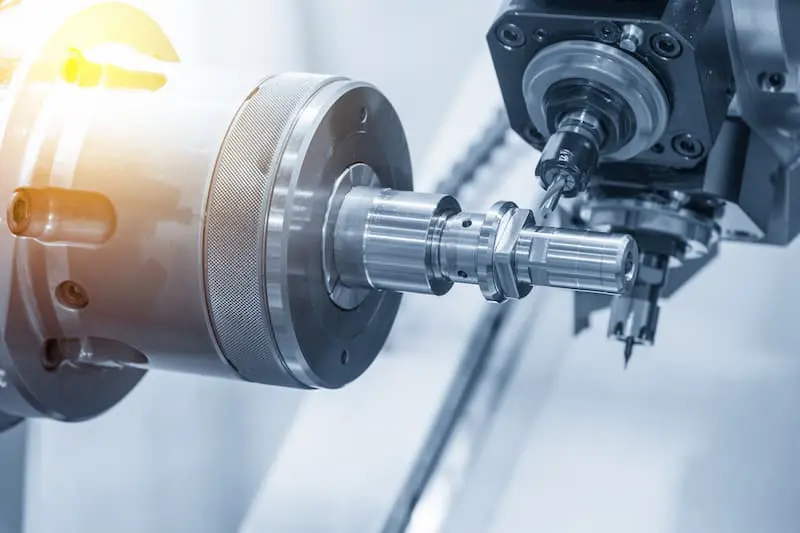
CNC Turn-Mill Center
Integrating turning and milling functions, it can perform side milling, drilling, tapping and other operations while the workpiece rotates, achieving “one-time clamping, complete all”, significantly improving efficiency and accuracy, especially suitable for complex rotating parts in the aerospace field
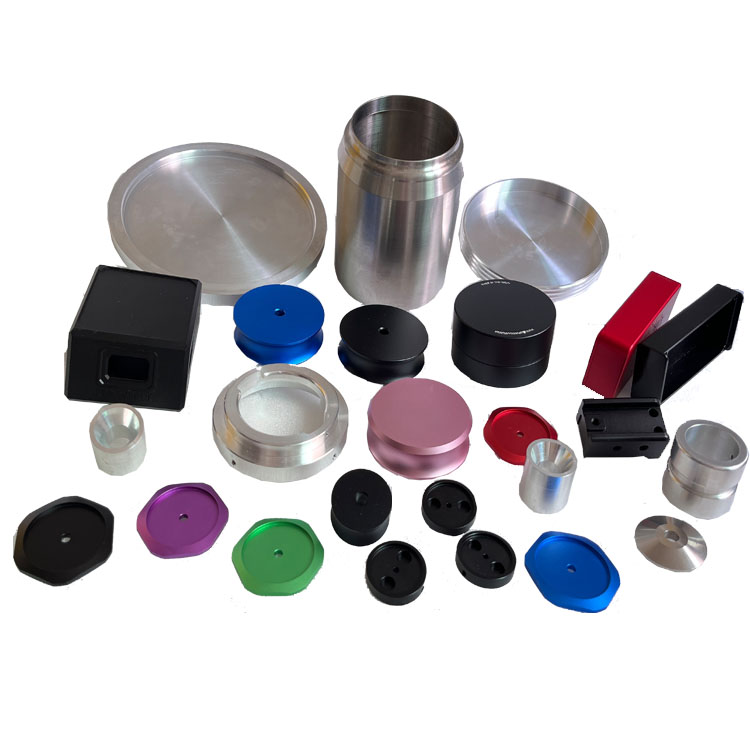
All kinds of surface finish for cnc machining parts
custom anodizing,Electroplating
Sandblasting,Brushing,Polishing
PVD,Gold Plated,Passivation
Liquid Spraying and Powder Coating
Laser Marking and Screen Printing for Logo
CNC machining tolerance levels vary depending on the specific machining stage and process requirements, with an overall range spanning from ±0.5 mm down to micron-level precision.
- Rough Machining Stage
The tolerance range typically falls between ±0.2 mm and ±0.5 mm. This stage is primarily focused on rapidly removing excess material to achieve the preliminary shape of the part, and consequently, the precision requirements are relatively low. - Semi-Finishing Stage
Tolerances can be controlled within the range of ±0.05 mm to ±0.2 mm. This stage serves to further refine the part’s geometry and improve its surface finish, thereby preparing it for the subsequent fine finishing process. - Fine Finishing Stage
Tolerances can reach ±0.01 mm to ±0.05 mm. This level is suitable for the majority of standard mechanical components that require specific precision, such as shafts, gears, and hardware connectors. - High-Precision Machining Stage
Tolerances can be controlled within ±0.005 mm to ±0.01 mm—or even tighter. This typically necessitates the use of high-end precision machining equipment and specialized processes, and is predominantly applied in fields with extremely stringent precision requirements, such as aerospace, precision instrumentation, and medical implants.